



Introduction
Architecture has the power to influence how people live, work, heal, and connect with the world around them.
For Architect Kapil Agarwal, architecture is far more than designing buildings. It is about creating spaces that improve lives, respect the environment, and stand the test of time.
As the Founder and Principal Architect of SPACEMATICS, Kapil has spent over two decades transforming ideas into meaningful spaces that combine functionality, sustainability, and aesthetic excellence. His journey reflects a deep belief that great architecture should not only serve people today but also protect resources for future generations.
The Beginning of a Vision
Kapil’s passion for architecture began during his student years when he became increasingly aware of how buildings consume enormous amounts of energy, water, and natural resources throughout their lifecycle.
While many viewed architecture primarily through the lens of design and appearance, Kapil saw an opportunity to make a much larger impact.
He pursued his architectural education at CEPT University, where his dedication and talent earned him the prestigious Jindal Gold Medal for excellence in Architectural Design. Determined to deepen his understanding of sustainable architecture, he later completed his Master’s degree in Architecture in the United States.
His international exposure helped him understand global sustainability practices, while his Indian roots kept him connected to local realities. This combination shaped his unique approach to architecture—blending global innovation with practical, climate-responsive solutions.
The Birth of SPACEMATICS
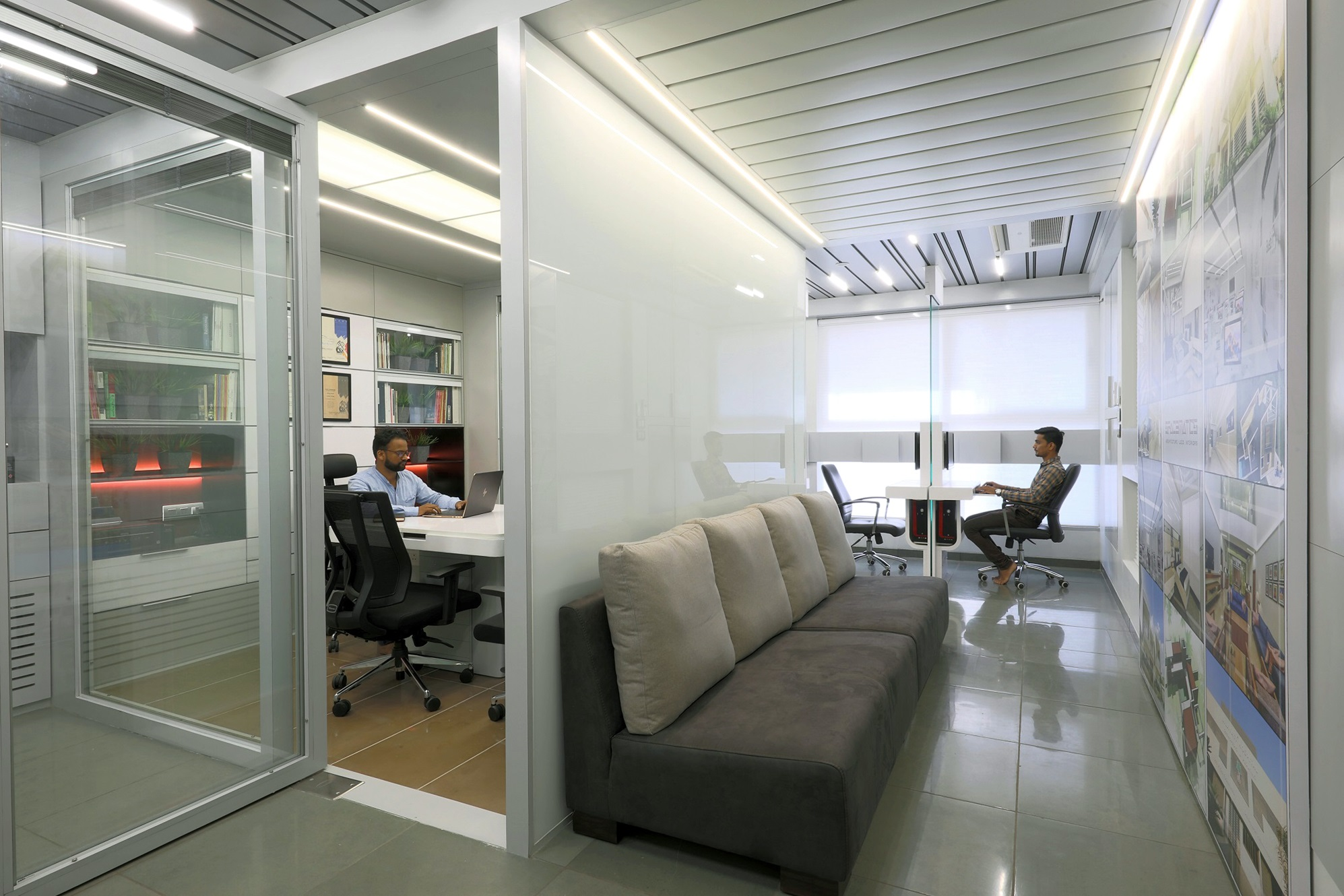
In 2010, Kapil founded SPACEMATICS with a simple but powerful vision: to create buildings that are beautiful, functional, environmentally responsible, and people-centric.
He believed that sustainability should not be treated as an optional feature or an expensive luxury. Instead, it should form the foundation of good architecture.
From the beginning, SPACEMATICS was built around this philosophy.
The firm quickly established itself as a design practice that challenged conventional thinking and focused on delivering spaces that responded intelligently to climate, user needs, and long-term performance.
Today, SPACEMATICS is recognized for its innovative approach and has successfully delivered projects across healthcare, commercial, institutional, industrial, and residential sectors.
Building Beyond Design
Over the years, SPACEMATICS has evolved into a multidisciplinary design practice offering:
• Architecture Design
• Interior Design
• Master Planning
• Sustainable Building Consultancy
• Project Management Services
• Green Building Solutions
The firm integrates advanced technology, detailed planning, and sustainability principles into every project.
Whether designing a hospital, educational campus, corporate office, commercial development, or private residence, the focus remains the same—creating environments that perform efficiently while enhancing the human experience.
Sustainability at the Core
For Kapil, sustainability is not a trend.
It is a responsibility.
Early in his career, he observed that many buildings relied heavily on artificial lighting, air conditioning, and resource-intensive materials. This often resulted in higher operating costs and unnecessary environmental impact.
He saw an opportunity to do things differently.
Through SPACEMATICS, he began promoting climate-responsive architecture, energy-efficient planning, daylight optimization, water conservation, green materials, and environmentally responsible construction practices.
His goal has always been to design buildings that consume fewer resources while delivering healthier, more comfortable spaces for occupants.
This commitment to sustainable design has made SPACEMATICS a trusted partner for organizations seeking environmentally responsible solutions without compromising functionality or aesthetics.
Overcoming Challenges
One of the biggest challenges Kapil faced was changing the perception that sustainable design is expensive.
For many years, clients viewed green architecture as an additional cost rather than a long-term investment.
Instead of simply advocating sustainability, Kapil focused on demonstrating results.
By showcasing how energy efficiency, resource conservation, and intelligent planning reduce operational expenses while improving building performance, he gradually helped clients understand the long-term value of sustainable architecture.
His persistence helped transform skepticism into trust.
Today, sustainability is no longer a niche conversation within his projects—it is an expected and valued outcome.
Leadership and Team Culture
At SPACEMATICS, innovation thrives through collaboration.
Kapil has built a team of architects, designers, and technical professionals who share a common passion for creating meaningful spaces.
The organization encourages:
• Continuous learning
• Innovation and experimentation
• Collaborative problem-solving
• Knowledge sharing
• Sustainable thinking
Every team member is encouraged to contribute ideas and take ownership of their work.
For Kapil, great architecture is never the result of one person’s efforts. It is the outcome of talented individuals working together toward a shared vision.
Recognition and Achievements
Kapil’s dedication to architecture and sustainability has earned him several prestigious recognitions throughout his career.
Among his notable achievements are:
• Jindal Gold Medal for Architectural Design
• India’s TrendSetter Award in Sustainable Architecture
• India’s Designer’s Award for Most Stylish and Functional Architect
